

The Role of a Scrub Suit in Modern Medical Practice
Introduction
In the healthcare world, attire is more than just clothing; it represents professionalism, safety, and functionality. Among the many uniforms worn in medical environments, the scrub suit has become one of the most recognisable and essential. Designed to provide comfort during long shifts, ensure hygiene in clinical settings, and maintain a professional appearance, it has transformed into a standard across hospitals and clinics worldwide.
Why Scrubs Became Standard in Medicine
The introduction of medical scrubs dates back to the early 20th century when professionals realised the need for sterile and protective attire. Initially plain and functional, they quickly evolved into an essential garment for surgeons, nurses, and other healthcare staff. Today, they are not just uniforms but symbols of trust, hygiene, and dedication to patient care.
Healthcare facilities adopted them for their practicality. Easy to clean, durable, and lightweight, scrubs addressed the challenges of working in environments that demand constant mobility and strict sanitation. Over time, they became the benchmark for medical attire worldwide.
Key Benefits of Wearing Scrubs
The popularity of scrubs is not without reason. They bring multiple benefits that directly impact both healthcare professionals and patients. Some of the most important include:
- Hygiene and Protection: Designed to reduce contamination risks by providing a clean, designated uniform.
- Comfort for Long Hours: Lightweight fabrics and ergonomic designs allow ease of movement during demanding shifts.
- Professional Identity: Scrubs help distinguish medical staff while maintaining a consistent and credible appearance.
- Functionality: Multiple pockets make it easy to carry essential tools such as pens, gloves, and small instruments.
These advantages explain why they are trusted attire across diverse medical fields.
The Modern Evolution of Scrubs
Scrubs are no longer limited to plain green or blue uniforms. The modern medical industry recognises the need for comfort and individuality while maintaining professionalism. As a result, they now come in a variety of styles, fits, and colours.
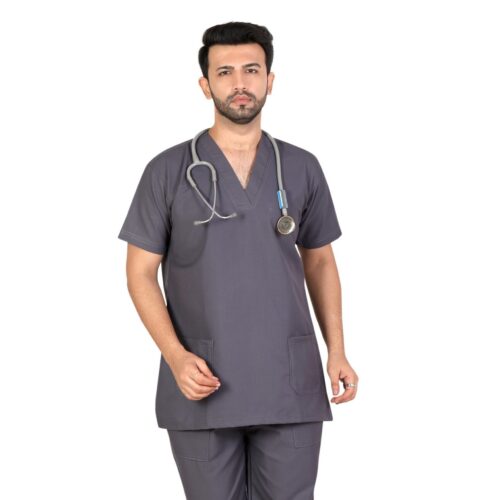
Some are tailored for specific roles; for example, surgeons may prefer classic V-neck tops, while nurses may choose fitted styles with added flexibility. Advances in fabric technology also allow scrubs to be more breathable, antimicrobial, and resistant to stains. This balance between practicality and style ensures that healthcare professionals not only feel comfortable but also confident while wearing them.
The Role of Medical Attire in Patient Perception
What healthcare workers wear plays an important role in how patients perceive them. A clean, well-fitted uniform communicates trust, competence, and professionalism. Patients often associate the sight of scrubs with expertise and reassurance. In environments where anxiety levels are naturally high, such as hospitals and clinics, something as simple as a professional outfit can create a calming effect. Thus, medical attire does not just serve the wearer; it also contributes to a better overall patient experience.
Medical attire also reinforces the sense of teamwork within healthcare institutions. When all staff wear standardised clothing, it signals unity and shared responsibility, which patients notice and value. A consistent appearance across doctors, nurses, and support staff helps create a seamless experience where patients feel they are being cared for by a well-organised team.
Practicality in Daily Medical Work
Healthcare professionals face demanding situations that require efficiency. Scrubs support this by being designed with the wearer’s needs in mind. Quick to put on, easy to wash, and comfortable to wear throughout long shifts, they reduce unnecessary stress related to attire. Moreover, the functional pockets allow medical staff to carry essentials without the need for extra bags or accessories. This practicality saves time and ensures that tools are always within reach, which is crucial in emergencies.
Choosing the Right Medical Scrubs
Not all scrubs are the same, and selecting the right ones can make a significant difference in comfort and performance. Factors to consider include:
- Fabric quality and breathability
- Durability and stain resistance
- Fit and style preferences
- Functionality such as the number of pockets
- Compliance with hospital dress codes
The right choice helps professionals focus on their work without worrying about discomfort or frequent replacements.
Conclusion
A scrub suit is more than just a uniform; it stands as a vital part of modern medical practice. From ensuring hygiene and safety to providing comfort and professionalism, it has earned recognition as the trusted attire of healthcare professionals worldwide. While fabrics and designs may continue to advance with time, their essential role will remain unchanged, supporting those who dedicate their lives to the well-being of others.