

Chef Uniforms: The Style, Safety, and Skill Behind Every Great Kitchen
Introduction
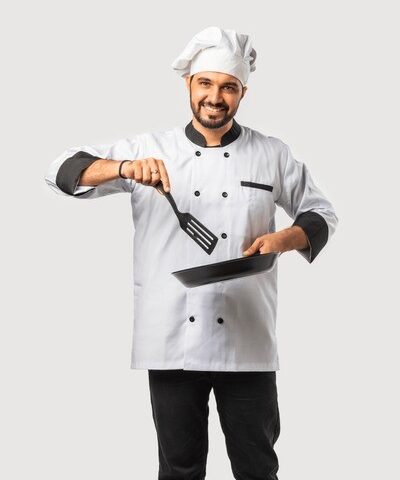
In the culinary world, the energy is chaotic yet creative, and the people running the show need gear that keeps up. A chef’s outfit isn’t just some cute aesthetic for Instagram shots — it’s literally the first line of protection when the heat gets real. From jackets built to take on flames to aprons that survive splatters, chef uniforms are designed to handle pressure while helping chefs move with confidence. Today’s kitchens demand clothing that blends tradition, comfort, and modern tech fabrics so professionals can focus on what they do best: creating fire dishes without, you know… actual fires.
The evolution of kitchen wear has also become a quiet flex. As restaurants lean more into brand identity and chef-led storytelling, uniforms aren’t just functional — they’re part of the whole experience. Whether it’s crisp whites or moody blacks, classic cuts or street-style influence, the outfit says a lot about the vibe of the place and the person wearing it.
Why Modern Kitchens Treat Uniforms Like Essential Gear
- Designed for long shifts, quality jackets and pants provide breathability, flexibility, and heat resistance, helping chefs stay focused even when the kitchen feels like level-10 chaos.
- The right apron can block oil, steam, and accidental spills, reducing the risk of burns and helping chefs keep a clean, pro look throughout service.
- Hats and caps do more than complete the fit — they keep hair secured, meet hygiene guidelines, and make chefs look instantly more organized and in charge.
- Slip-resistant footwear supports long hours on the move, giving stability on wet floors while preventing ankle and back fatigue.
- Smart fabric options now bring antimicrobial, stain-resistant, and moisture-wicking features into play, making uniforms feel lighter, fresher, and way easier to maintain.
A Deeper Look at What Makes Chef Clothing Functional
What really sets premium kitchen gear apart is how each piece is purpose-built. Jackets are double-breasted for a reason — they let chefs hide stains mid-shift by flipping the front panel, keeping them presentable for open-kitchen moments. Even the thickness of the fabric is intentional, offering enough protection without making the wearer feel like they’re wrapped in a winter blanket while running five burners at once.
Pants are often crafted from lightweight yet durable materials that allow easy movement, whether someone’s reaching for the top shelf or dodging a busy line cook. Elastic waistbands and adjustable fits make them way more forgiving when shifts get long and intense. Meanwhile, aprons act like armor, taking on spills so the rest of the uniform stays fresh and functional.
Headwear, whether classic toques or minimal caps, helps maintain hygiene but also gives chefs a signature look. These pieces keep hair away from food, reduce sweat drips, and deliver that “pro-chef energy” even in the heat of the moment. The footwear completes the story — sturdy, padded, non-slip shoes that can survive hours of movement without causing strain.
Why Quality Matters More Than Ever
In high-pressure environments, cheap or poorly designed clothing can slow a chef down. Stitching matters. Breathability matters. Even pocket placement matters. A well-made uniform doesn’t just look clean — it supports the chef physically, boosts their confidence mentally, and keeps hygiene on lock.
Restaurants today understand that customers don’t only taste the food; they experience the entire atmosphere. A well-dressed culinary team gives an instant impression of order and passion. That’s why so many brands now invest in durable fabrics, better fits, and coordinated looks that reflect the restaurant’s identity. Uniforms aren’t just a requirement — they’ve become part of what shapes the culinary experience.
How Uniforms Boost Performance, Hygiene, and Brand Identity
- Kitchens use coordinated uniforms to maintain hygiene standards, reduce cross-contamination risks, and visually differentiate various roles during peak rush hours.
- High-quality jackets give chefs the confidence to work quickly without worrying about hot splashes or sudden micro-disasters that can happen during rush service.
- Fabrics that resist stains and odors help teams maintain a polished appearance, even when prep looks like a tornado passed through.
- Consistent styling across the team builds brand identity — customers immediately sense the professionalism and energy by how the staff presents themselves.
- Each element, from buttons to trims, adds to the usability of the outfit, turning uniforms into tools rather than just clothing.
Conclusion
Great food may be the star, but the people crafting it deserve gear that truly supports their skill, hustle, and creativity. Quality chef uniforms bring safety, style, and functionality together, giving kitchen teams the freedom to move fast, experiment boldly, and stay protected even in the most intense rush hours. From jackets to footwear, every detail matters and the right uniform can elevate not just the chef, but the entire dining vibe.